
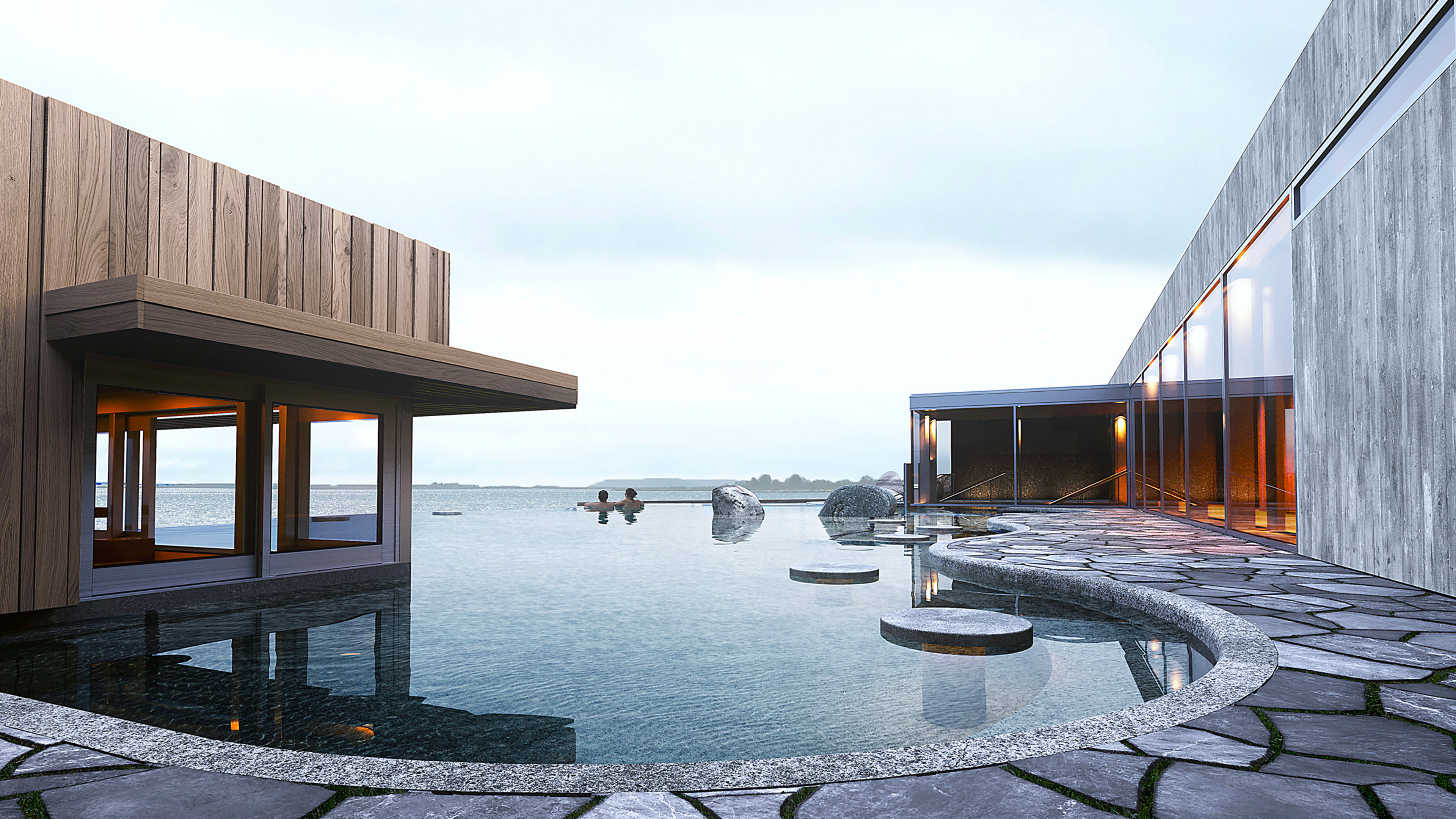
Like many areas in Iceland, Laugarvatn and its surroundings sit on top of a geothermal hot spot. This means that the earth beneath is simmering with boiling water, erupting into geysers and hot springs here and there. This geothermal activity is the reason for the settlement of Laugarvatn and the warm water has been used for cooking, bathing, and heating up buildings in Laugarvatn for generations and is the foundation of the area's bathing culture.
There are three main hot springs along the shoreline of Lake Laugarvatn, each with different temperatures and uses, all within easy walking distance of one another.
Vígðalaug, is the coldest, but most legendary hot spring in the area. It was the site of a mass baptism for the entire Parliament of Iceland, called Alþingi, in the year 1000. The old gathering place of Alþingi was at Þingvellir, only 25 km away from Laugarvatn. After much pressure from the Norwegian king, the pagan leaders decided to adopt Christianity and were baptized in this very hot spring, given that it was warm and not very far away. A smart choice because the waters at Þingvellir are quite cold!
The middle hot spring is the one used by Fontana. The first bathing facilities built in the area were two bathhouses directly on above this geyser, just like today's steam bath.
The warmest spring is used by the local municipality, Bláskógabyggð, to heat buildings in the area. Geothermal district heating is the norm in Iceland; well over 90% of all homes and businesses are kept warm with geothermal hot water.

